Motion

Our motion work is inspired by our globe. Rotation is the fundamental motion principle across 2D and 3D visuals. Using this principle, four specific behaviours emerge, and can apply to different aspects of our brand.
Orbital
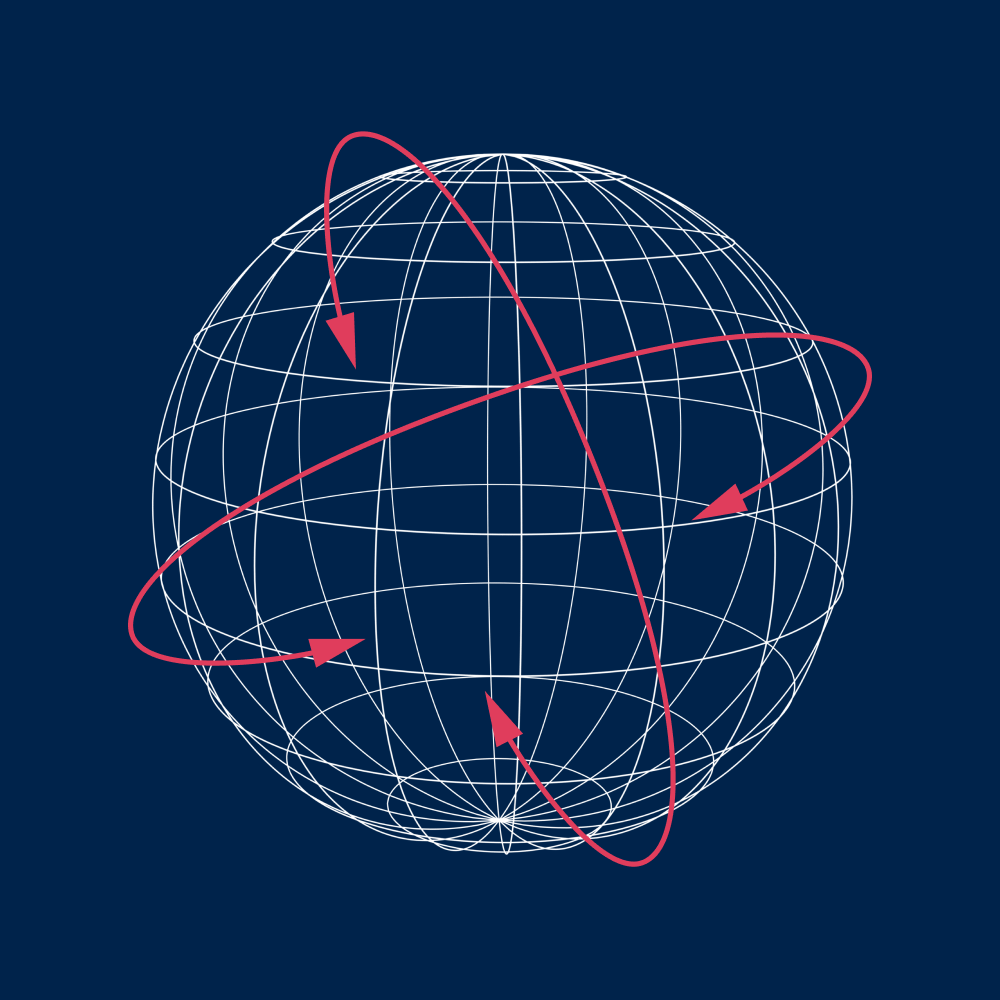
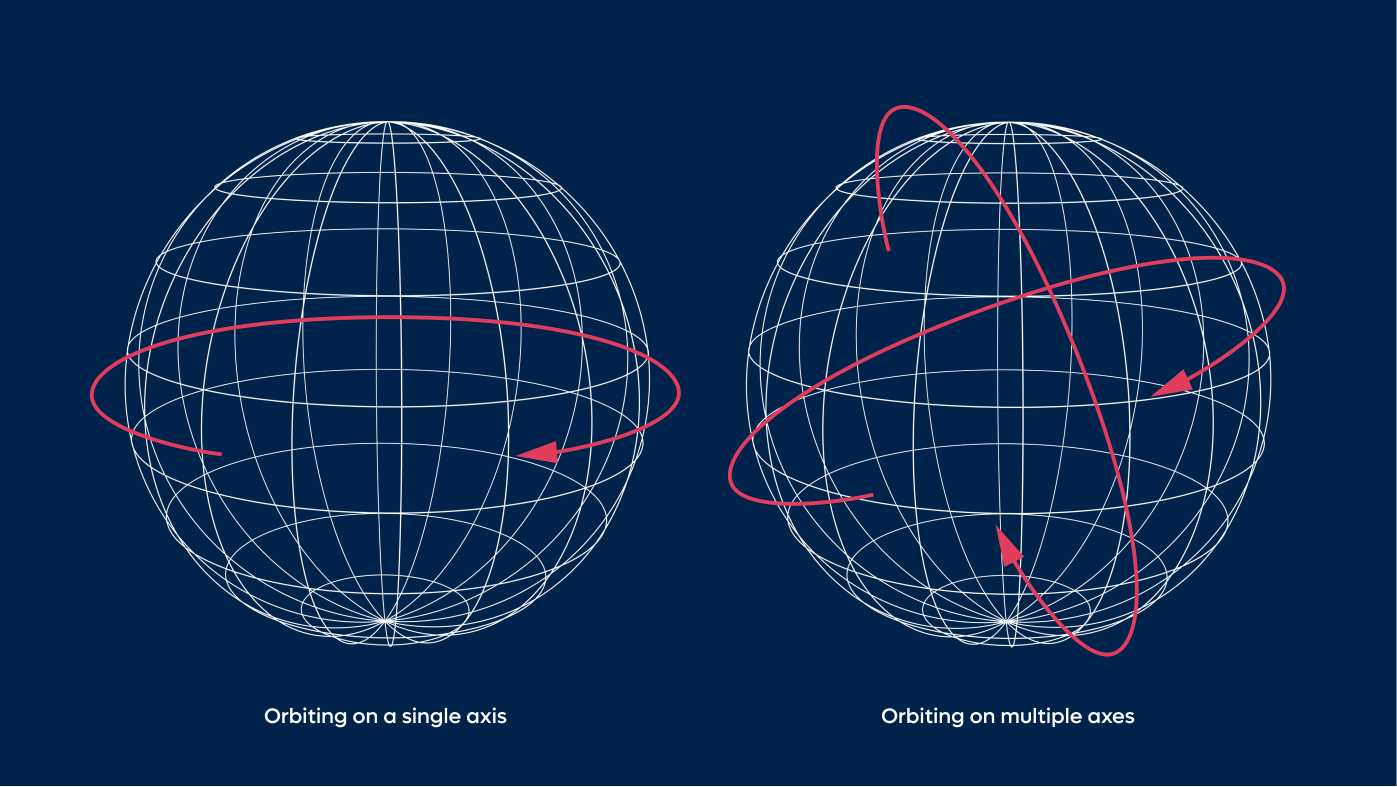
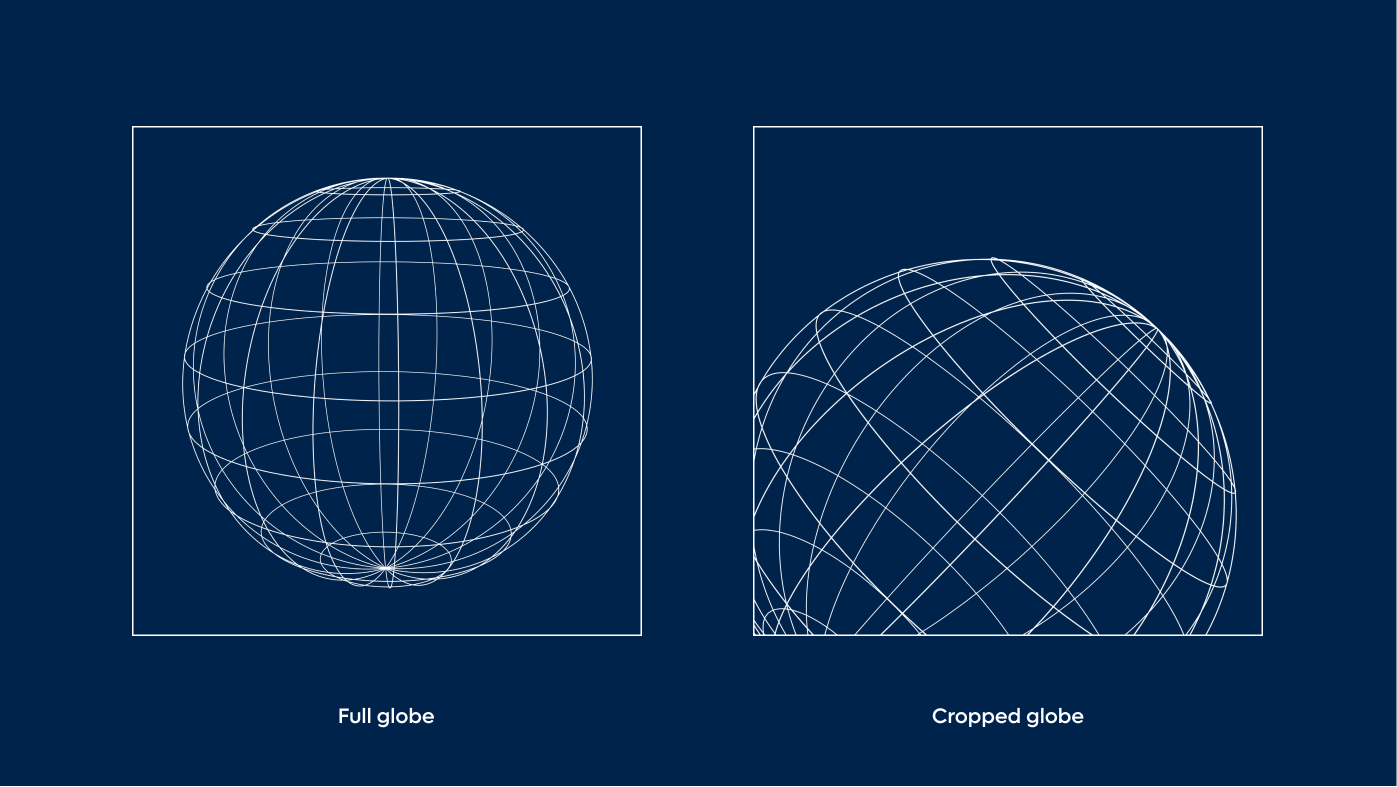
Orbital motion is used for the globes. Globes can rotate around a single axis or multiple ones. While the globes are usually uncropped, cropping can add dynamism and scale. See the Visual Language page for guidance on cropping.
Rolling
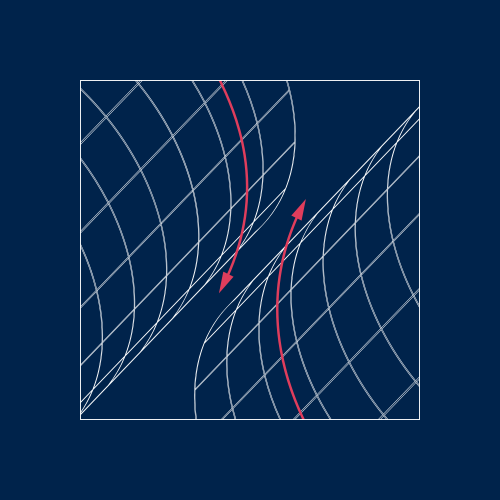
The rolling motion behaviour is used for meeting points. The patterns on the two cylinders roll inward towards a central meeting line. These are always cropped to full bleed, and use dynamic angles. Refer to the Visual Language page for guidance on cropping.
Lens Tilt
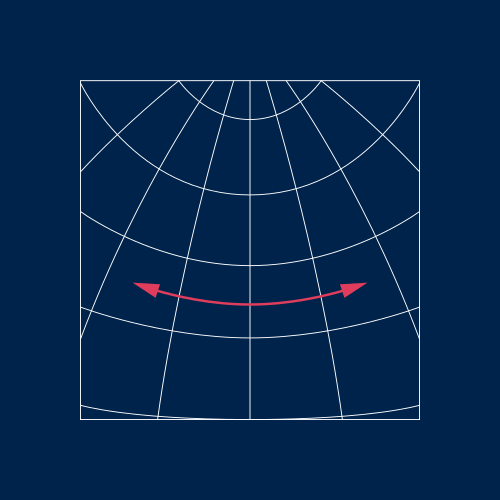
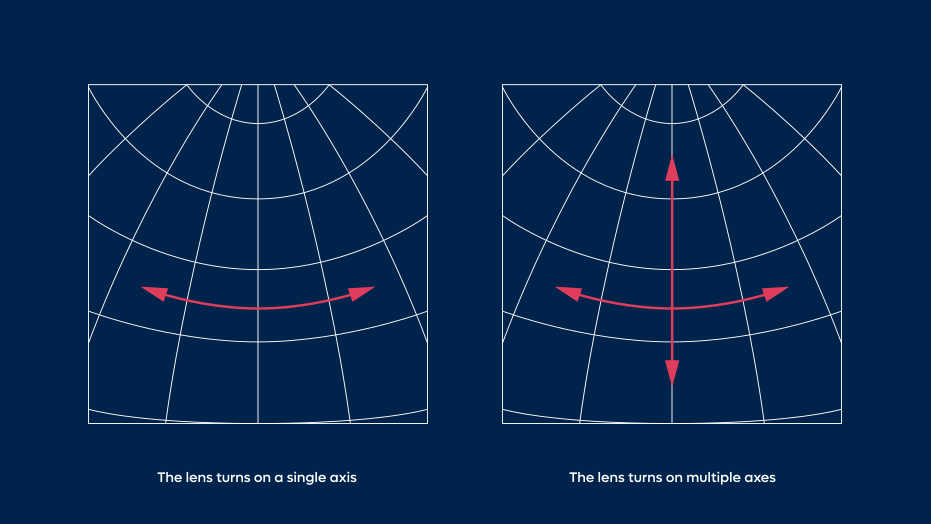
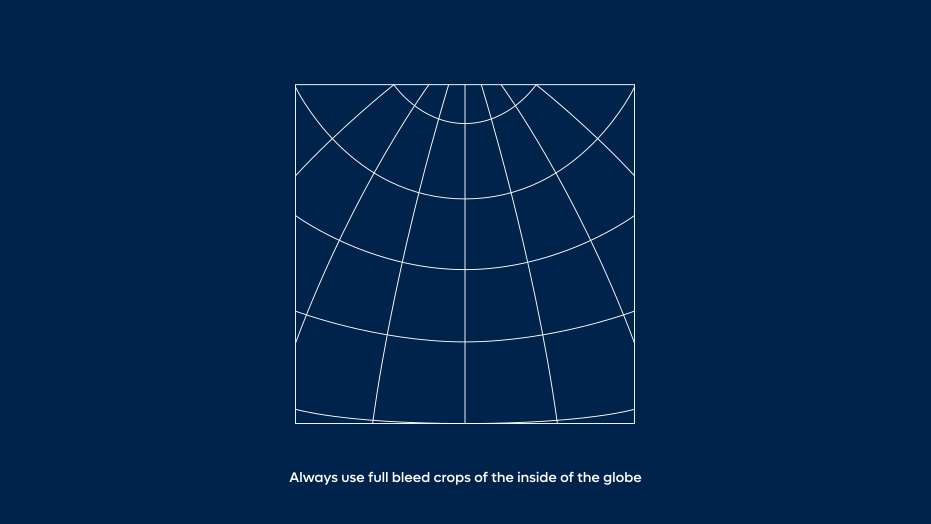
The Lens Tilt behaviour is the pivotal rotation of the camera inside the globe. It can pivot along straight lines or a diagonal. For guidance on cropping, refer to the Visual Language page.
Flat Spin
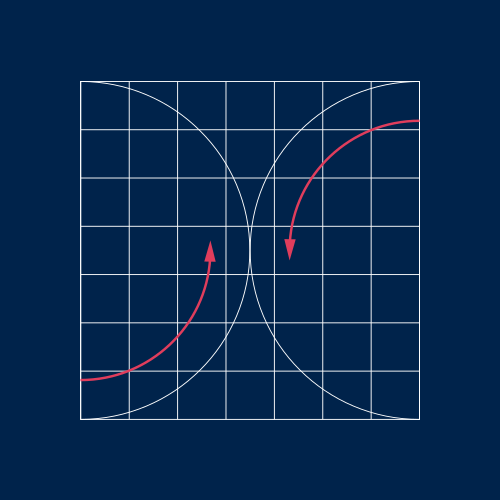
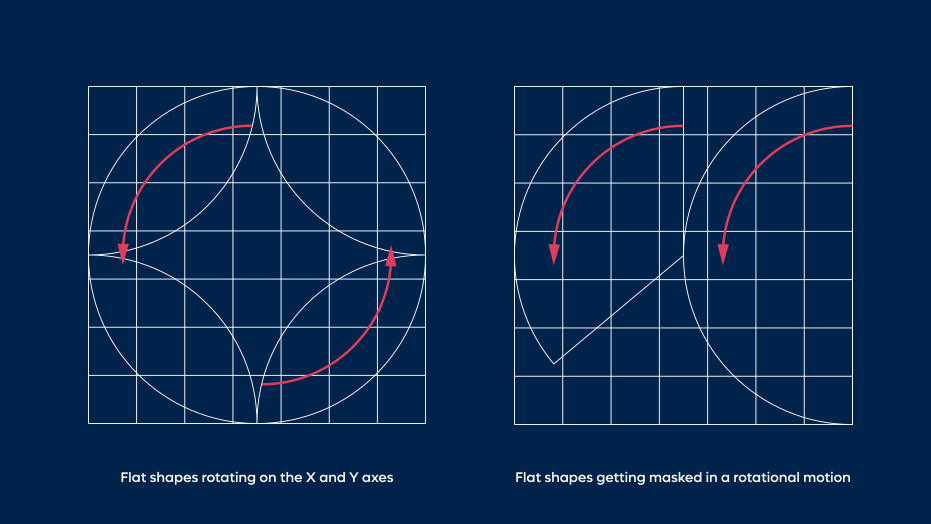
Flat Spin is the behaviour used to move, rotate and reveal our 2D shapes. It is especially useful when building 2D visuals by moving the shapes in, drawing them and transitioning between them. They follow the cropping guidance outlined on the Visual Language page.
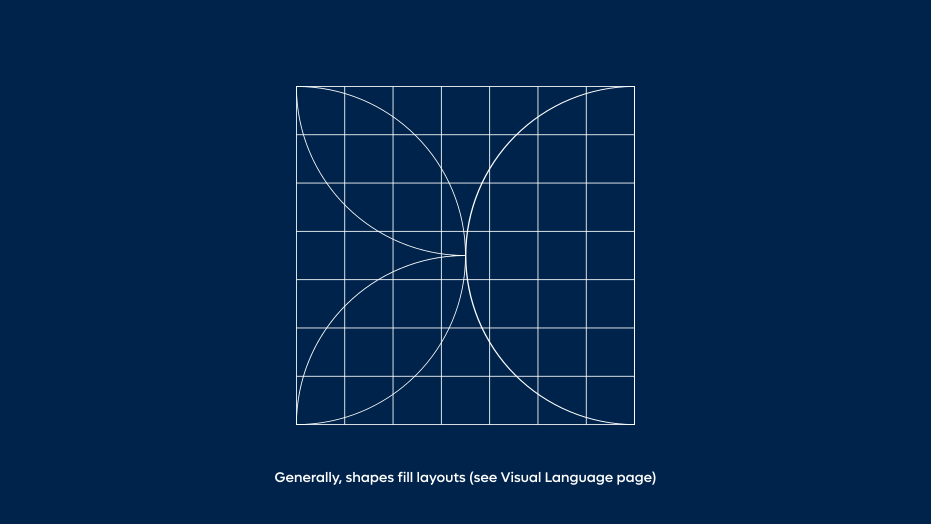
While these four behaviours work on their own, there’s scope to create rich and interesting work by combining them together.
Watch what happens when a flat spin is applied to the pattern, then wrapped around the globe in an orbital motion:
Things to avoid
To ensure our visuals in motion are on brand, avoid any of the scenarios shown below:
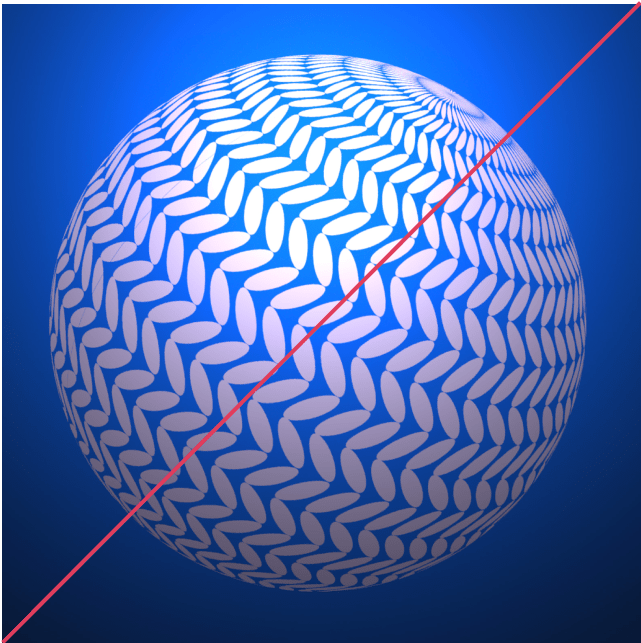
Do not change the lighting on 3D assets
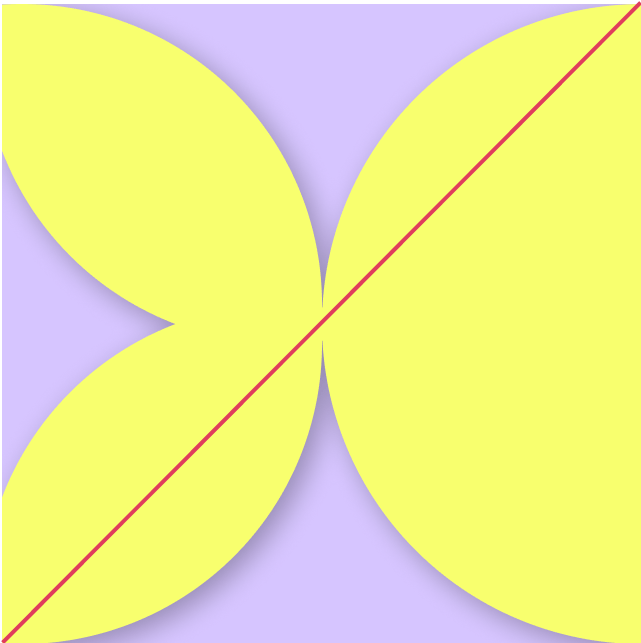
Do not apply shadows to either 3D assets or flat shapes
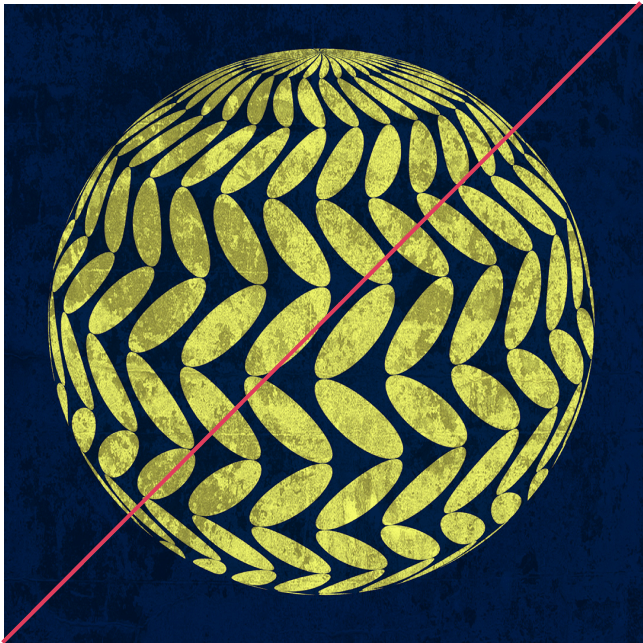
Do not add texture to 3D assets, flat shapes, and patterns
Inspiration